Tulunadu

About us

A club for Tuluvas, wherever they ended up

Tulunadu Club keeps the words, the dates and the writing of the Tulu coast in one place anyone can reach. It is free to use, not for profit, and openly unfinished.

Why this exists

Almost every family on the coast has someone who left. Bombay first, then the Gulf, then Bengaluru, which is where a lot of us are now: three hundred and fifty kilometres inland, one generation from the language.

The food survives the distance. Kori rotti travels, and a Bunt wedding menu holds up on the other side of a flight. What thins out is ordinary Tulu, the words that were only ever spoken at home — the name for a wooden ladle, the word for the smell before rain. Children of Tuluva parents in Bengaluru follow what their grandmother says and answer her in Kannada. Nobody bans a language. It stops being the one you argue in, and then it goes.

The rest of it is scattered too. Kola dates arrive by phone call and forwarded photograph. Temple calendars exist as a picture of a printed sheet. Ask the internet when a jatre falls and you get a listicle from 2017; ask what a Tulu word means and you get four spellings and no source.

So this: a dictionary of the words people actually use, a calendar of what is happening on the coast, and long stories about the people who make things there. One place, three languages, nothing to sign up for.
What we are building

  • The dictionary

    Tulu in Kannada script, alongside the Latin spellings people actually type into a phone. Glosses stay marked as drafts until a native speaker signs them off. We will not republish someone else's lexicon without their permission, which is why this is the slowest part of the site.

    Open the dictionary
  • The calendar

    Kola, jatre, temple days, and the smaller gatherings that never get listed anywhere. Empty today. It fills up when people send in dates.

    See the calendar
  • The writing

    Reported long-form about the coast's cooks, tilers, fisherfolk and temple servants. Every piece is researched against real sources and those sources travel with it. We do not write from memory and we do not invent a quote.

    Read the stories
  • Three languages

    English first, then Kannada, then Tulu in Kannada script. The Tulu interface is a draft and is labelled as one. A native speaker's pass comes before we call it finished.

Not for profit, and not for sale

Nothing here sits behind a paywall and nothing here is sponsored. Running costs are small and come out of pocket. If that changes, it gets written on this page before it changes anything on the site.

Contributors keep their credit. A photograph carries the name of whoever took it, a story carries the name of whoever reported it, and a word carries the name of whoever taught it to us.

What this is not

It is not a news site and it will not be first with anything. It is not a community association, and it speaks for no caste, temple or family on the coast. It is not a museum of an older Tulunadu either: the tile factory, the container port and the money wired home from Dubai belong here as much as the Kola does.

Founder

Gayathri Mohan

Founder, Tulunadu Club

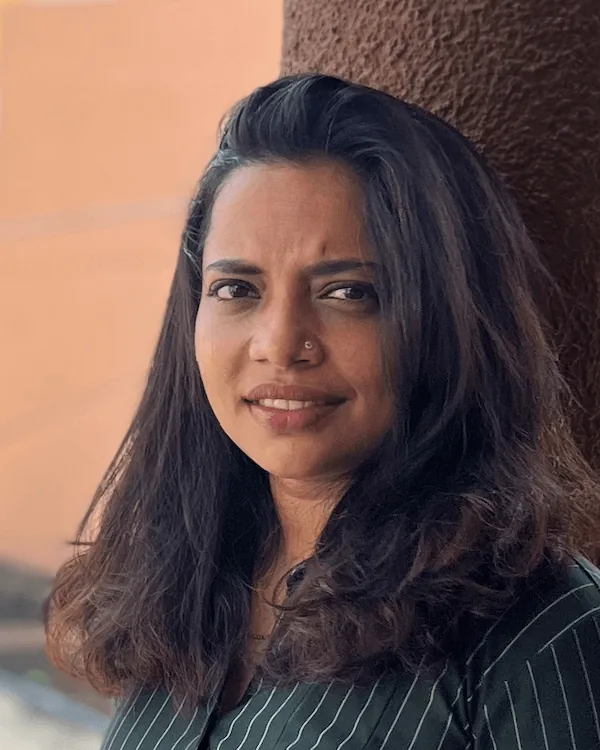
Gayathri Mohan was born and brought up in Mangalore. She lives in Bengaluru now, where she works in fitness training. She founded Tulunadu Club and runs it as a not-for-profit project, which for now means deciding what gets written next and checking what gets published.

If you grew up on the coast

The Tulu here needs native speakers more than it needs engineers. If you know the word your grandmother used, the day the Kola actually falls this year, or a person whose work is worth two thousand words, you know something this site does not.